|
|
|
About Us
|
Town History
|
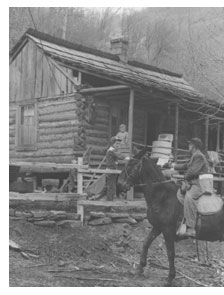 Humber Bay’s geography is dominated by Humber Lake. At its lowest point 100 metres deep, Humber Lake was a pre-historic plain that flooded when the last ice age receeded from the area. The lake has an average temperature of 69 degrees farhenheit in the summer months. What is now the downtown area of Humber Bay is nestled in the gentle rolling hills on the shore of Humber Lake facing westward. The flatlands on the outskirts of the city are well suited to farming. In fact, the region is now Canada’s largest producer of soy beans. Humber Bay’s geography is dominated by Humber Lake. At its lowest point 100 metres deep, Humber Lake was a pre-historic plain that flooded when the last ice age receeded from the area. The lake has an average temperature of 69 degrees farhenheit in the summer months. What is now the downtown area of Humber Bay is nestled in the gentle rolling hills on the shore of Humber Lake facing westward. The flatlands on the outskirts of the city are well suited to farming. In fact, the region is now Canada’s largest producer of soy beans.
Humber Bay’s history dates back to the early 18th century when Jesuit missionaries occupied the area and interacted with the native population. Lack of conversion, native hostility and harsh living conditions dwindled their population to 50 missionaries by 1780 and the rise of the fur trading business ended the missionaries involvement in the region. Humber Bay was also a stop for adventurers on their way to Yukon Territory in search of gold, thus earning the distinction as the city with most hotels and rooming houses per capita in the 19th century.
The Humber Bay area served as an industrial and business port and as one of the local bases of operation for the Hudson’s Bay Company for the following years until the city of Humber Bay was incorporated in 1880. The fur trading business, however, did not last last long past the city’s incorporation. The city had little direction in the early years of the 20th century. Industry dominated the economy and primarily young men were attracted to the area for the work opportunities.
A change in direction was ushered in in the 1920’s as tourism became a popular pastime with the invention of the car, disposable income and free time. It was then that the basis for the city we know today was created.
|
|
|
|